Pench National Park Farmers And Solar Lights
Pench National Park is a famous wildlife spot in Madhya Pradesh and Maharashtra. It is well-known for its...
Read MorePench National Park is a well-known wildlife park in central India. It is spread across two states: Madhya Pradesh and Maharashtra. This park is famous for having many tigers, and it is officially called Pench Tiger Reserve. It is also part of India's Project Tiger program, which works to protect tigers and their homes.
The park has dry deciduous forests, which means it has trees that lose their leaves in the dry season. These forests are home to many animals, birds, reptiles, and plants. Because the park is well-protected, the wildlife here has been able to grow and thrive. People visit Pench National Park to enjoy the beauty of nature, learn about animals, and study the environment. It is a wonderful place for nature lovers, students, and wildlife researchers to explore. If you love nature, Pench National Park India is definitely a place you should visit.
Pench National Park, also called Pench Tiger Reserve, is located in two states of India – Madhya Pradesh and Maharashtra. The larger part of the park is in Madhya Pradesh. The park gets its name from the Pench River, which flows through it from north to south. This river splits the park into two parts and provides water to the animals all year long.
The park has two main areas: the core zone and the buffer zone. The total area of the park is about 1,179.63 sq km. The core zone is the part of the park where animals can live without any human disturbance. It is a protected area. The buffer zone allows some controlled human activities, but everything is carefully managed so that wildlife is not disturbed. According to Pench National Park Information, this park is very important because it maintains a healthy environment where both animals and plants can live together. The forest department works hard to take care of the park and protect its wildlife for the future.
The History of Pench National Park shows that this forest area has been rich in wildlife for many years. In earlier times, local rulers and British officers used this forest for hunting. At that time, there were no strict rules to protect animals and forests. Over time, wildlife numbers started decreasing, and the need for conservation was understood.
In 1965, Pench was declared a wildlife sanctuary to protect animals and forests. In 1983, it received the status of a national park. Later, in 1992, it was included under Project Tiger and became the Pench Tiger Reserve. Since then, many conservation steps have been taken. These include forest protection, anti-poaching patrols, habitat development, and wildlife monitoring.
The Flora and fauna of Pench National Park are very rich and diverse. The forest mainly has dry deciduous vegetation. Teak trees are the most common trees found here. Along with teak, bamboo, mahua, tendu, saja, and other native trees grow naturally in the forest. These trees provide food, shade, and shelter to animals. The forest floor has grasses, herbs, and shrubs that support herbivores like deer and gaur. Medicinal plants are also found in some areas.
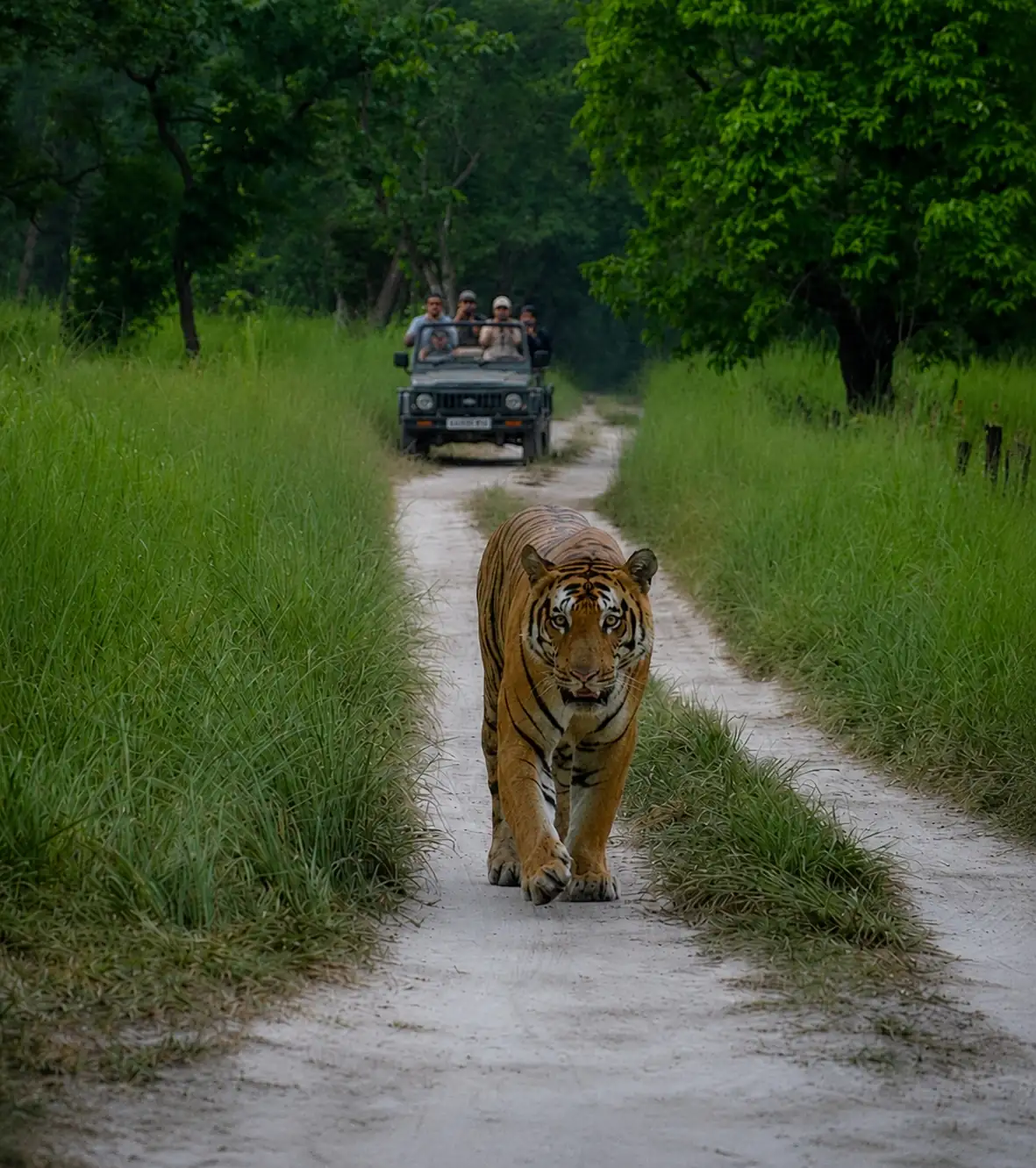
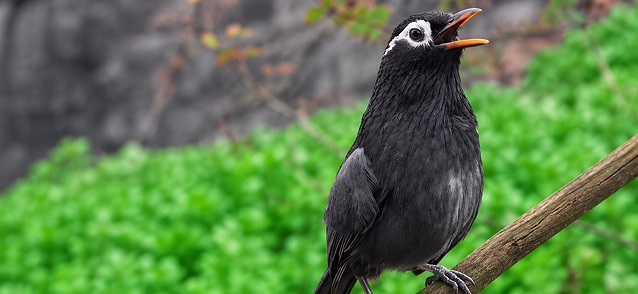
The wildlife of Pench National Park includes Royal Bengal tigers, leopards, wild dogs, sloth bears, gaur, sambar deer, chital, barking deer, wild boar, and monkeys. The park is also home to many bird species, including resident and migratory birds. Reptiles, amphibians, butterflies, and insects also play an important role in the forest ecosystem.
Pench Tiger Reserve is very important for wildlife conservation in India. It supports a stable and breeding population of tigers. The forest has a good number of herbivores, which provide food for large predators like tigers and leopards. This balance between predators and prey helps maintain a healthy forest ecosystem.
Pench Tiger Reserve is also part of a wildlife corridor that connects other forests like Kanha and Tadoba. This connectivity allows animals to move freely between forests. Such movement helps maintain genetic diversity and reduces the risk of animal populations becoming weak. The wildlife of Pench National Park contributes greatly to the overall health of central India’s forest region.
| Pench Park Area | State | Location Details | Important Information |
|---|---|---|---|
| Pench National Park Madhya Pradesh Side | Madhya Pradesh | This part of Pench lies in Seoni and Chhindwara districts of Madhya Pradesh. | The Madhya Pradesh side is known as Pench National Park Madhya Pradesh and has many popular safari zones for visitors. |
| Pench National Park Maharashtra Side | Maharashtra | In Maharashtra, Pench is located in Nagpur district. | This side of the park is also called Pench Tiger Reserve and is another important part of the Pench forest region. |
| Season | Months | Weather Condition | Wildlife Sightings | Travel Recommendation |
|---|---|---|---|---|
| Winter Season |
October to February |
Winter is considered one of the most comfortable seasons for visiting Pench National Park. The weather remains cool, pleasant, and suitable for jungle safari. | Wildlife movement can be seen during daytime, and visitors can enjoy a peaceful safari experience in the forest. | This is one of the best times to visit Pench National Park, especially for families, nature lovers, and visitors looking for comfortable weather. |
| Summer Season |
March to June |
Summer in Pench National Park is hot, especially during April, May, and June. However, this season is important for wildlife tourism. | Animals often gather near water sources, increasing the chances of wildlife sightings during safari. | Summer is ideal for visitors interested in wildlife photography and tiger tracking because animals frequently visit water bodies. |
| Monsoon Season |
July to September |
Pench National Park receives heavy rainfall during the monsoon season. Most forest areas remain closed. | Safari access is restricted in core forest areas, and regular jungle safari remains unavailable during this period. | Monsoon is generally not recommended for safari planning. Winter and early summer are considered the best seasons. |
Pench National Park plays an important role in Wildlife tourism India. It attracts visitors from India and other countries who are interested in nature and wildlife. The park helps people learn about forest conservation and animal protection.
Tourism activities are carefully managed to reduce harm to wildlife. Pench follows eco-friendly tourism rules where the number of visitors is controlled. Local people get employment opportunities through tourism, which supports community development. Pench National Park India contributes to education, awareness, and responsible tourism at the national level.
Pench National Park weather has a tropical pattern. Summers are very hot and dry, and temperatures can go above 40°C. Winters are cool and nice, with cold mornings and nights, while days stay comfortable. Monsoon comes from July to September with heavy rain, and park travel is limited. Temperatures range from about 6°C to over 40°C for visitors planning trips.
Pench National Park offers lots of fun activities.
There's something for everyone to enjoy.
Pench is located in Madhya Pradesh near the Maharashtra border in central India.
It is famous for its tigers, wildlife diversity, and connection to The Jungle Book.
Yes, Pench is a protected tiger reserve under Project Tiger.
Animals found in Pench include tigers, leopards, deer, gaur, wild dogs, sloth bears, birds, and reptiles.
The park is best known for tiger conservation, biodiversity, and dry deciduous forest.
The forest type in Pench is dry deciduous with teak and bamboo trees.
A jungle safari in Pench National Park means a guided forest visit to observe animals in their natural surroundings.
. Tiger sightings are considered good due to a healthy population.
Winter and early summer are the best times to visit.
Yes, Pench Park is directly connected to The Jungle Book inspiration.
Explore the best blog posts and recent news related to Pench National Park.
Pench National Park is a famous wildlife spot in Madhya Pradesh and Maharashtra. It is well-known for its...
Read More
A very unfortunate event occurred in the Pench National Park, where a man aged 30 died due to...
Read More
A significant recognition has been given to Pench National Park. It has...
Read More